Primal Leadership
Acting As A Leader In A Way That Primes Positive Emotions In People
What Is Primal Leadership?
Primal leadership is the business application of "Emotional Intelligence".
It is the capacity of the leader to rouse and focus strong positive emotions in their followers and focus that energy on a specific direction.
A modern example of this was the speech given by Col. Tim Collins'
speech to 1 Battalion, Royal Irish Regiment, on 19 March 2003, immediately
prior to the invasion of Iraq.
This is the emotional dimension of leadership. It is about the leader’s ability to frame and deliver a message that resonates with their followers’ emotional reality and sense of purpose, and it motivates them to take action in a specific direction.
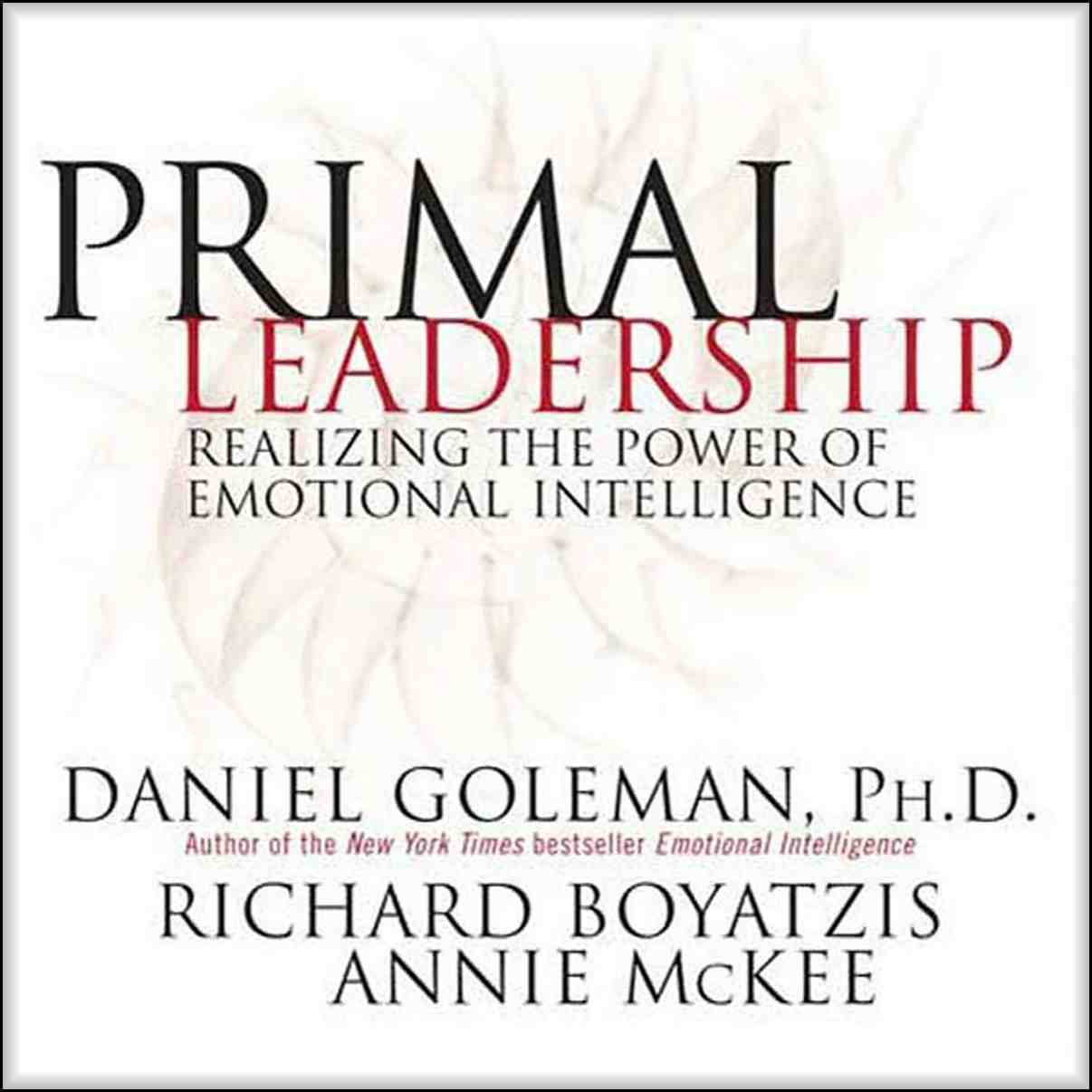
Daniel Goleman, Richard Boyatzis & Annie McKee in 2002, introduced the concept in a book of that name which was updated in 2013: Primal Leadership, With a New Preface by the Authors: Unleashing the Power of Emotional Intelligence
The Importance Of Primal Leadership
In an article in the Dec 2001 edition of the Harvard Business Review, Primal Leadership: The Hidden Driver of Great Performance Daniel Goleman introduces the concept and outlines research that he and his team conducted in a study of 3,871 executives and their direct reports and it shows that HOW a leader leads in terms of the emotional resonance they do or don’t generate matters for 2 reasons:
In the current climate of uncertainty people need leadership that offers a measure of re-assurance and certainty of conviction about the direction in which they are being led.
This is important because people cannot work effectively if they are experiencing emotional turbulence. Their ability to get work done depends on their emotions being under control. A leader has to address those often unconscious and unexpressed fears along the way in order to help people keep them under control.
As Goleman said:
"In the modern organization, this primordial emotional task—though by now largely invisible—remains foremost among the many jobs of leadership: driving the collective emotions in a positive direction and clearing the smog, created by toxic emotions. This task applies to leadership everywhere, from the boardroom to the shop floor."
How The Leaders Emotions Infect The Organisation – The Importance Of Resonance
The central finding of EI research is that emotions are essentially contagious, and thus a leader's attitude and energy can "infect" a workplace either for better or for worse
With this in mind the authors stress the importance of resonance, which is the ability of leaders to perceive and influence the flow of emotions (including motivational states) between themselves and others they work with.
One of the keys to achieving resonance is empathic listening.
[See “The Seven Habits of Highly Effective People” by Stephen Covey]
Emotions are contagious - from the top down
In an interview [with Stephen Bernhut in "Leaders Edge", Ivey Business Journal May/June 2002] Daniel Goleman said:
"First, you have to reach within yourself to find out your own truth, because you can’t be resonant if you’re clueless, if you’re pretending, or if you’re just trying to manipulate people.
You have to speak from your heart, and you have to do it in a way that speaks to other people’s hearts. So it takes authenticity. And if you can articulate a positive goal, that is, stay optimistic, enthusiastic and motivated in delivering that message, then what you’re doing is spreading that message and those moods and predisposition to the people you’re talking to.
Self awareness and the 4 building blocks of primal leadership
The 4 building blocks of primal leadership are:
(1) Self-awareness
(2) Self-mastery [or self-management of emotion]
(3) Empathy or social awareness
(4) Relationship management
How Does Primal Leadership Align With The Themes Of This Site?
Here are a number of touch points
Organisational Change -Return to: Define Leadership
Personal Change - Return to: Managing Personal Change


- What if everything we think…
LATEST ARTICLES


Coram Deo - Living In Consciousness
 In you there is a dimension of consciousness far deeper than thought. It is the very essence of who you are. Coram Deo is about living in consciousness. It is a Latin phrase which literally means “to…
The Power Of Patience - Why You Need The World's Toughest Quality
 Nothing in the world can take the place of patience. Patience and persistence are omnipotent. In everyday life, patience is often overshadowed by the desire for immediate results. We live in an era of…
Demonizing The Other and Personal Acts Of Compassion
 What Does Demonizing The Other Mean? Demonizing the other refers to the act of portraying a group of people or an individual as inherently evil, threatening, or inferior. It often serves to justify di…
Why You Should Embrace Anomalies - The Incredible Value Of Disconfirming Evidence
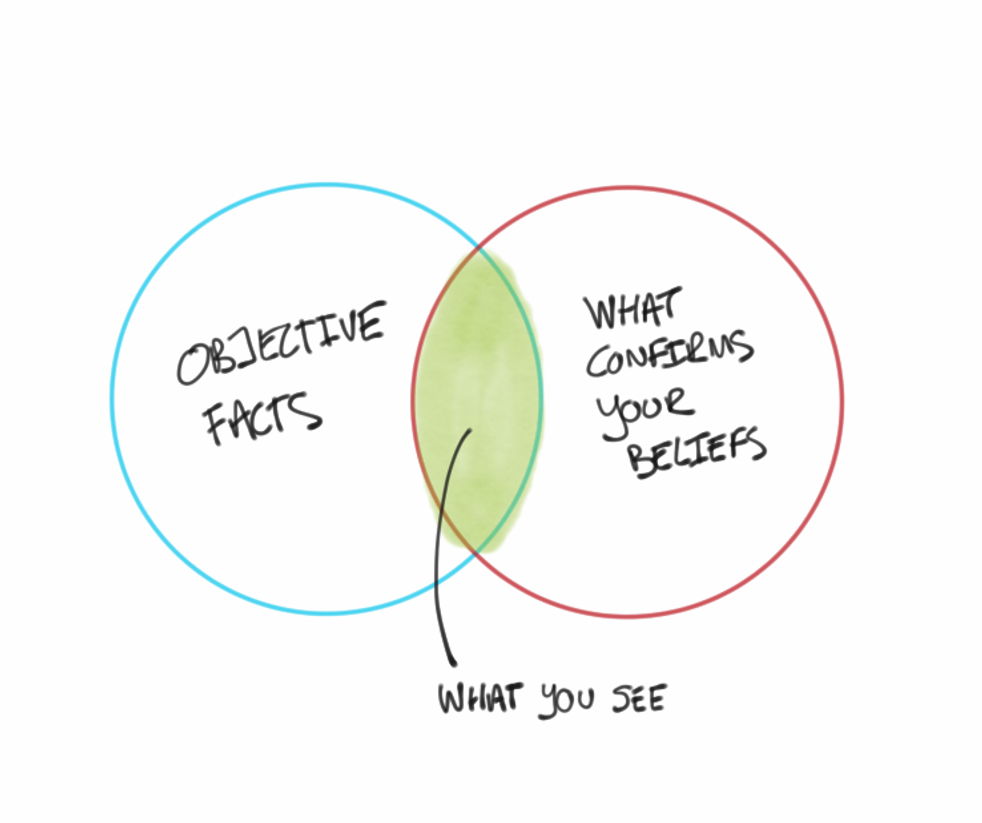 Is Your Desire To Be Right Greater Than Your Desire To Have Been Right? An anomaly is a deviation from what is expected or commonly regarded as the norm. It often appears as an unexpected observation…
Amazing Grace - The Majesty And The Mercy of Freedom From Your Pain
 "I once was lost, but now I am found, was blind, but now I see." The hymn and popular song "Amazing Grace" was written 250 years ago by John Newton, a former slave trader who in 1748 nearly died in a…
The Transformative Power Of Acceptance
 Experience The Power Of Acceptance. This website contains about 500,000 words. You could read every single word and it wouldn't make any real difference to you. You might become better informed, but t…
Inversion - The Power Of Opposite Thinking
 How To Avoid The Unwanted Outcome. The power of opposite thinking, also known as inversion, lies in its ability to stimulate creativity, enhance problem-solving, and provide a fresh perspective on cha…
Are You Aligned With Reality? Or Do You See What You Believe?
 We tend to see that which aligns with what we believe, and to act upon that rather than acting on reality. Being aligned with reality starts with a clear and accurate understanding of the world. It me…
The Law Of Response and Outcome
 A New Approach To A New Life At time of writing we are entering a new year which is traditionally a time of making resolutions to change our behaviour and improve the quality of our lives. And yet pow…
Clear Thinking - Turning Ordinary Moments Into Extraordinary Results
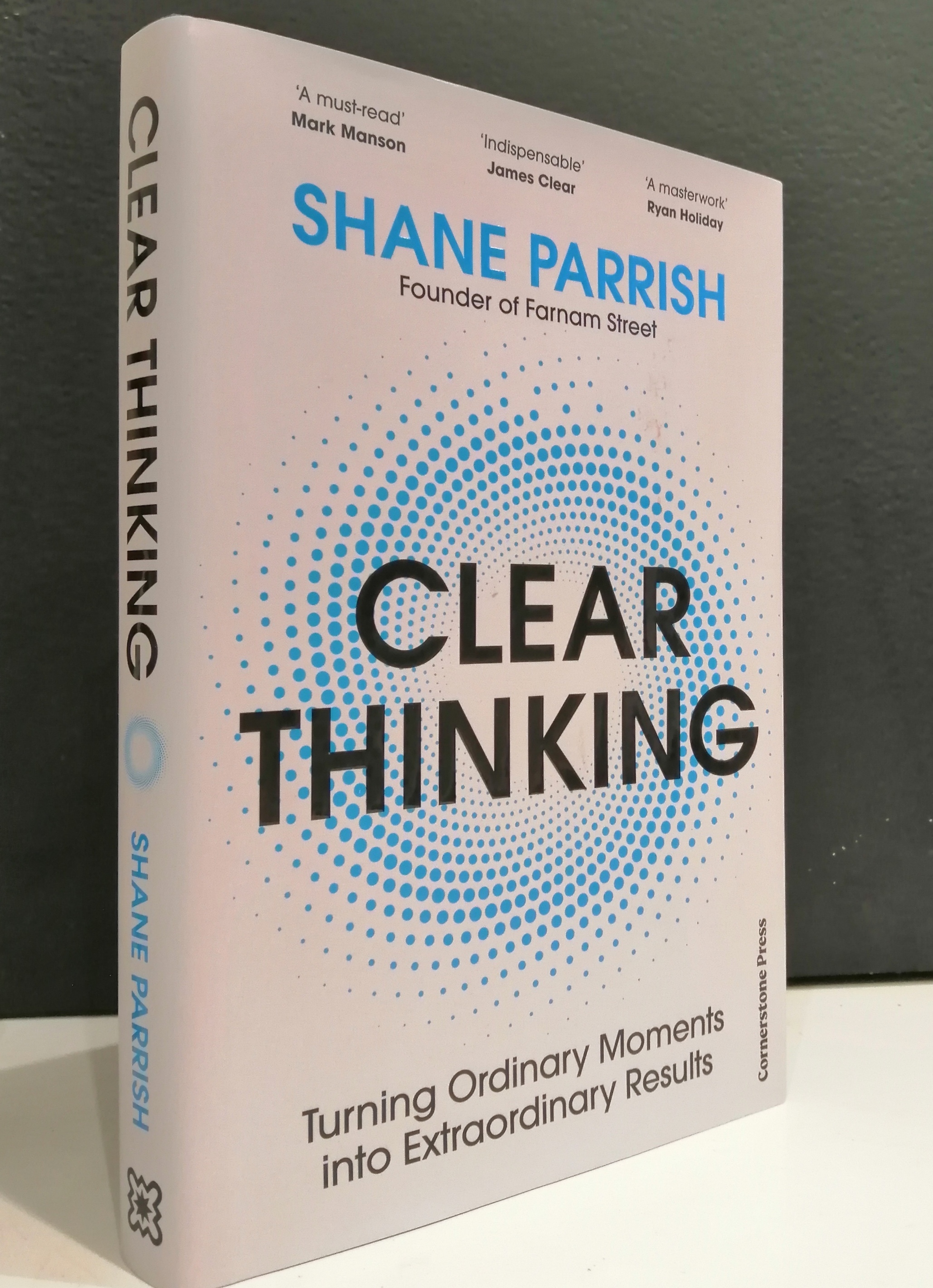 There are two ways to handle the world - try to predict, or try to prepare. "Clear Thinking" by Shane Parrish, published in Oct 2023, is a laudable testament to the art of cogent thinking, and will be…
Self Dialogue - Working With Your Many Selves
 Self Dialogue Is About Working With ALL Levels Of Your Mind. The key to effective self dialogue is to have tools, techniques and resources that work with all levels of your mind. This simple self-faci…
The Balanced Brain - The Ultimate Route To Personal Transformation
 How To Experience The Benefits Of A Balanced Brain. Underpinning all of the belief systems and practices that offer routes to personal change, transformation and spiritual growth is the balanced brain…
How To Make Better Decisions - By Avoiding The Narrative Trap
 To Understand The Truth We Have To See The Whole Picture. One of the best ways to make better decisions is to have a deeper understanding of the many things that might stop that happening. To understa…
The Greatest Love - The Most Important Relationship You Will Ever Have
 Yet Most Will Never Know It Everyone of us has a place, in our hearts there's a space, that is home to the greatest love of all. This love transcends everything we think we know about the world of for…
Everything Is Connected And Why You Don't Feel It
 ...And Why It Matters
As human beings we are skating on very thin ice with our sense of self and certainty about "how things are" and what we like to think of as reality:
...And Why It Matters
As human beings we are skating on very thin ice with our sense of self and certainty about "how things are" and what we like to think of as reality:
Who Is In Charge Of Your Brain?
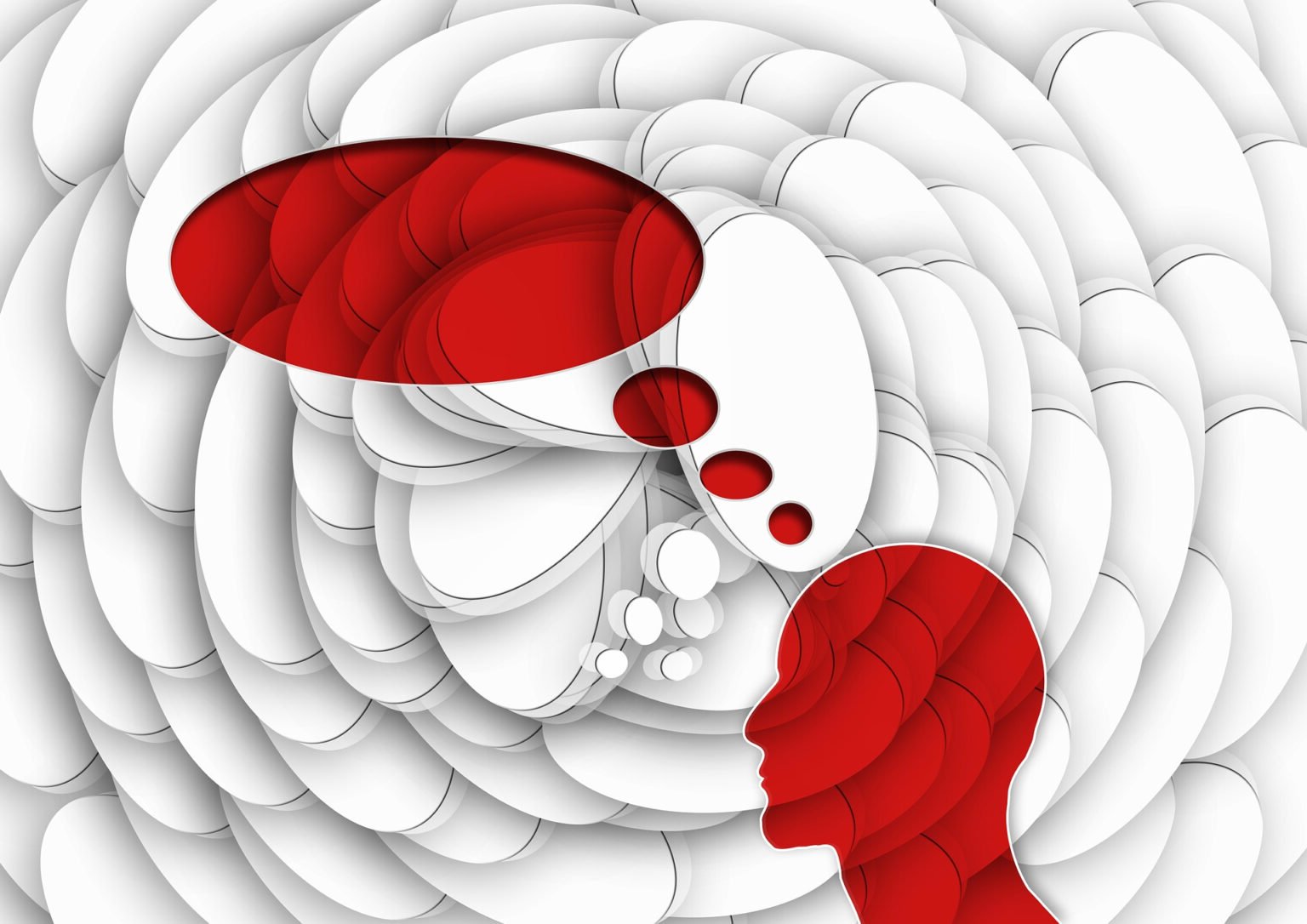 How Not To Be Stupid. Who is in charge of your brain? This is not a silly questions. It matters because the outcomes that you experience in your life are determined by how you respond to the events th…
How To Be A Winner On A Very Large Scale
 The Incredible Benefits Of Selective Attention. This is not a typical article about how to be a winner. We are not going to talk about goal setting, the importance of habits, the power of focus and al…
The Metagame Approach To Life
 How To Achieve Your Biggest Objectives.
The metagame approach to life is all about winning and achieving your biggest objectives by:
- Understanding the bigger picture
How To Achieve Your Biggest Objectives.
The metagame approach to life is all about winning and achieving your biggest objectives by:
- Understanding the bigger picture
- Being better by doing things d…Shantideva - The Way Of The Bodhisattva
 Walking The Path Of Compassion. Shantideva the 8th century Indian Buddhist sage is famous for his treatise "The Way of the Bodhisattva" delivered as an extended teaching to the monks of Nalanda monast…
Reframing History - Deconstruction And Discussion Not Destruction
 History is always about context, not imposing our own moral values on the past. For those of us fortunate enough to live within western democracies, we are living in an age where a vociferous and into…
Tao Te Ching - Connecting To Your True Source Of Power.
 How To Be Lived By The Tao. The Tao Te Ching is one of those books that many people read, few understand, and even fewer put into practice. The only way to know the Tao is to experience it, and it is…
How Things Really Are - The Inbuilt Design Flaws
 Chaos, Disorder And Decay Is The Natural Order Of Things. Nobody has the perfect life. We all struggle and strive to attain health, wealth and personal happiness. Yet these three big areas: our health…
Intuition Or Anxiety - Are There Angels Or Devils Crawling Here?
 How To Tell The Difference Between Intuition and Anxiety. How do you know whether the voice of your intuition is real or just the product of your inner anxiety? Several months ago I was having a drink…
What Is Truth - How To Tell A Partial Truth From The Whole Truth?
 How the truth and nothing but the truth is often not the whole truth. My great aunty Flo broke her arm and died. It is true that she broke her arm in 1923. It is also true that she died in 1949. But t…
Duality And Life Beyond Your Thinking Mind
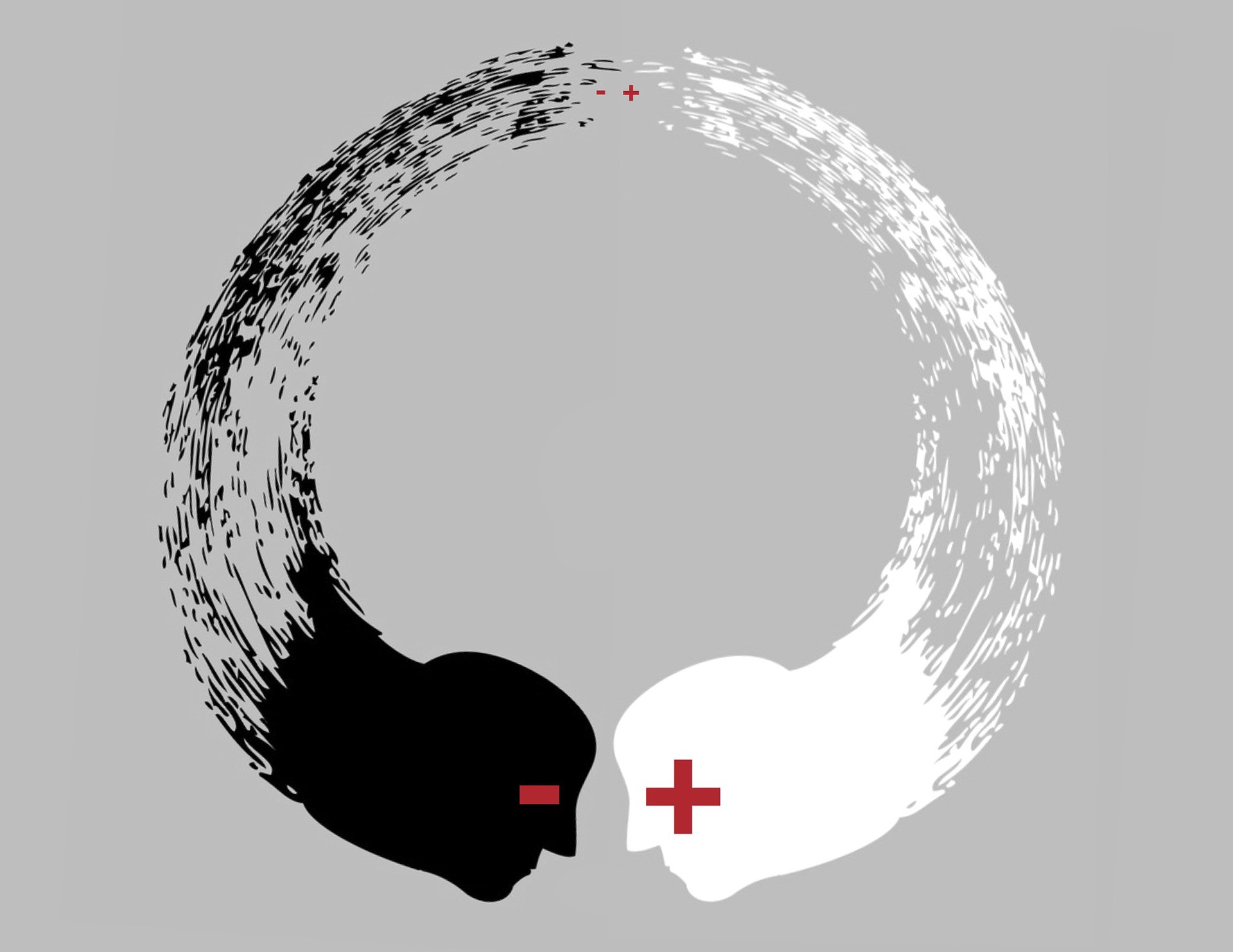 Duality and life beyond your thinking mind focuses on the limitations of time, foreground and background, duality and "stuckness". The first aspect of duality and life beyond your thinking mind focuse…
The Conscious Mind Is Limited - Be Aware And Be Prepared
 Being aware is the first stage of being prepared. The conscious mind is limited in so many ways. There are some who would argue that there is no such thing as conscious thought and that it is represen…
Your Inner Map Of Reality - Here's Why You Think The Way You Do
 The big picture of how your inner map of reality creates your feelings, thoughts, and behaviours. Your inner map of reality is based on the filters of your own ethnic, national, social, family and rel…
The Failure Of Cancel Culture - Suppression Not Engagement
 Why we need to wear our beliefs lightly and develop negative capability. Throughout history people have campaigned to fight beliefs, ideologies, and injustices that they perceived to be oppressive, di…
4 Big Reasons Why We Get Stuck In Our Attempts At Personal Change
 Most People Spend Their Entire Life Imprisoned Within The Confines Of Their Own Thoughts. This first of the 4 big reasons why we get stuck is, in my view, the most important. The "self-help industry…
How Do I Change And Why Is It So Hard?
 We Would Rather Die Than Change, And We Usually Do In my experience, the vast majority of people who say they want to change don’t change. Most people reading this won’t change because they don’t real…